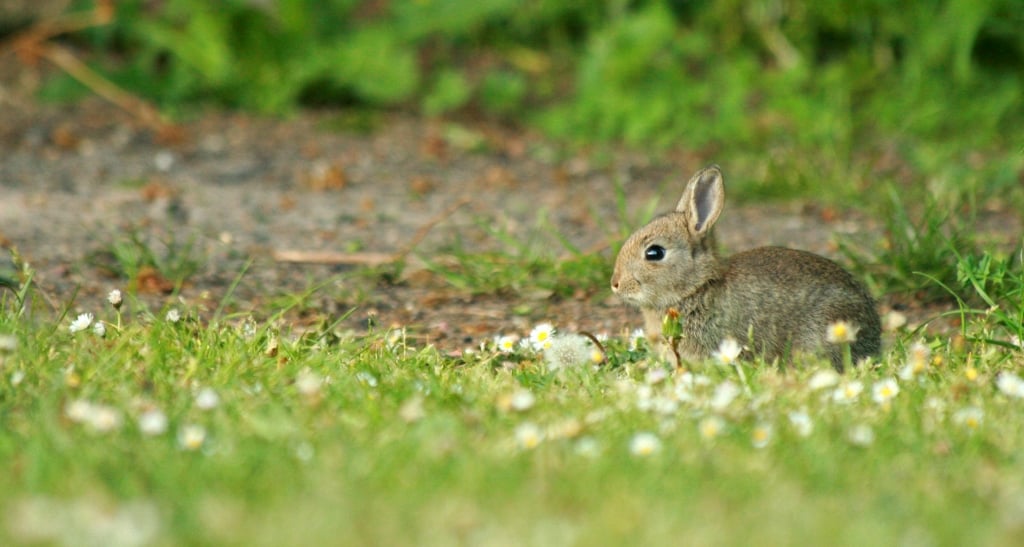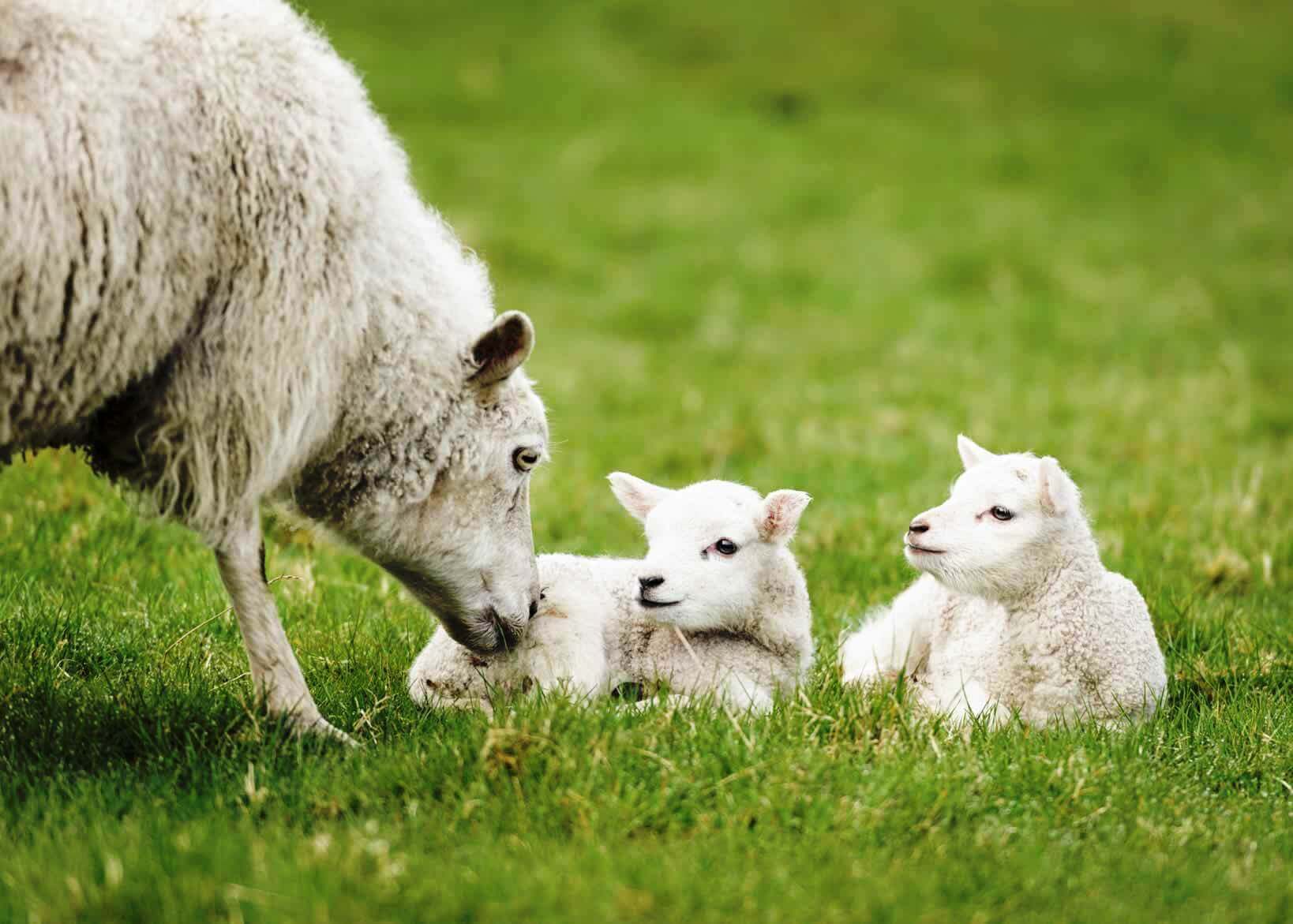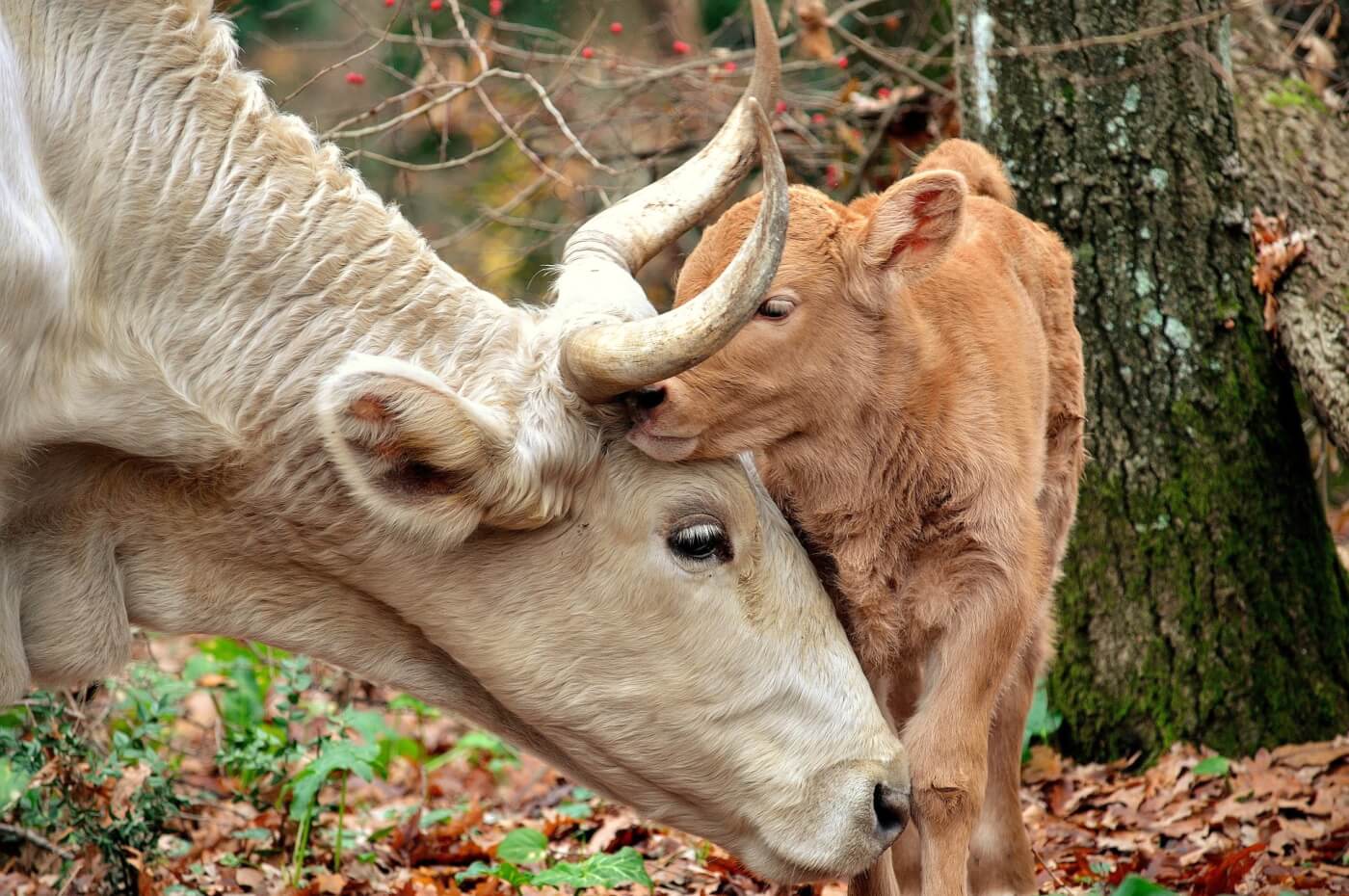
Churches are sacred spaces for worship and spiritual growth, as well as refuges from life’s daily challenges. They can also be safe havens for the rest of God’s creation—the birds, squirrels, bees, and other wildlife that He blessed and called “good.” With a few simple, compassionate choices, your congregation can turn its outdoor areas into peaceful sanctuaries that fulfill the directive of Proverbs 12:10: “The righteous care for the needs of their animals.” Being mindful of creation reflects our wonder and appreciation for all God has made and our desire to be faithful stewards of everything—and everyone—He has entrusted to our care.
Here are easy steps your church can take to welcome the beauty of nature to your doorstep.
Plant Native Trees, Flowers, and Shrubs
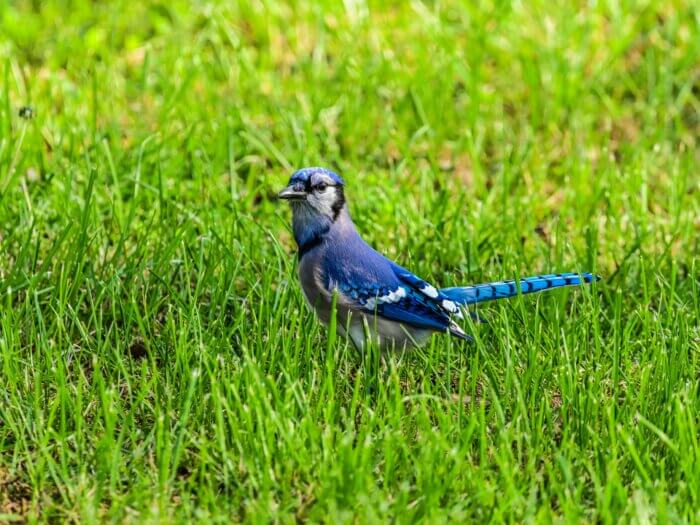
Growing native plants is one of the most impactful ways to help wildlife thrive. They provide food, shelter, and spaces for animals to raise their young—especially as natural habitats disappear. Because they’re adapted to local conditions, native trees, flowers, and shrubs require less effort and support birds, small mammals, and pollinators like bees and butterflies. Try replacing some lawn with native plants and wildflowers, adding berry‑producing shrubs or nectar‑rich flowers in flower beds, and planting fruit- and nut-bearing trees. If space allows, you may even be able to create a thriving community park that will welcome new visitors to the church. Always leave birds’ nests in peace, and if members of your congregation are avid birdwatchers, consider installing birdhouses equipped with fun wildlife cameras.
Say No to Dangerous Poisons
Herbicides and pesticides poison and kill animals, cause widespread population declines, pollute soil and groundwater, and have been linked to cancer, endocrine disruption, kidney and liver damage, and other serious human health problems. Rodenticides cause prolonged and painful deaths to small animals as well as larger animals who ingest them. But humane, non-toxic methods for banishing weeds, sparing gardens, and keeping animals outdoors are readily available, affordable, and effective.
To oust weeds, use boiling water, vinegar, a sprinkle of salt, or tilling. Just make sure that no small animals are present and steer clear of helpful plants. Planting chives, marigolds, mint, basil, or cilantro deters aphids. Garlic, rue, chives, or catnip provide a natural defense against Japanese beetles. Plants such as marigolds attract many beneficial insects who will help your garden flourish. Rabbits avoid bellflowers, astilbes, asters, yarrows, cranesbills, hostas, lavender, sage, and chili pepper. And soap shavings, used cat litter, human hair, or motion-activated sprinklers ward off hungry deer.
The most effective way to keep mice and other uninvited guests outside is to seal all holes and cracks and properly secure food and trash. Additionally, mice and rats dislike peppermint, and rats avoid chrysanthemums, lemongrass, and sage. Place cinnamon sticks, coffee grounds, chili pepper, paprika, cloves, lemon juice, garlic, or dried peppermint leaves near ant pathways. Catnip, crushed bay leaves, cucumbers, and garlic can keep cockroaches at bay.
Deter birds from perching or nesting by fitting gaps near attics, soffit vents, signs, and rafters with screens. Wire coils or spikes on railings, pipes, or building edges will also keep birds from perching there, and boards or sheet metal angled against flat surfaces can be used to make a slope that avian feet can’t grasp.
Escort Animals Back Outside Humanely
As animals struggle to find food and safe lodging for their families in what’s left of nature, they may be drawn to the shelter of our buildings, especially during extremely hot or cold weather. Insects can be easily captured and released outdoors with a Humane Bug Catcher. Humane live traps for mice and rats can be baited with peanut butter or another irresistible substance and used to safely transport animals back outside for touch-free release. These traps must be checked every few hours as the animals are without food and water. Once you’re certain that the entire family has been relocated, use a flashlight to locate and seal all potential entry points.
You never want to use glue traps, which cause unimaginable suffering. Animals caught in them often rip off their fur, skin, feathers, and even limbs as they become mired in the glue, and they may be in agony for days before finally dying of blood loss, exposure, starvation, or dehydration.
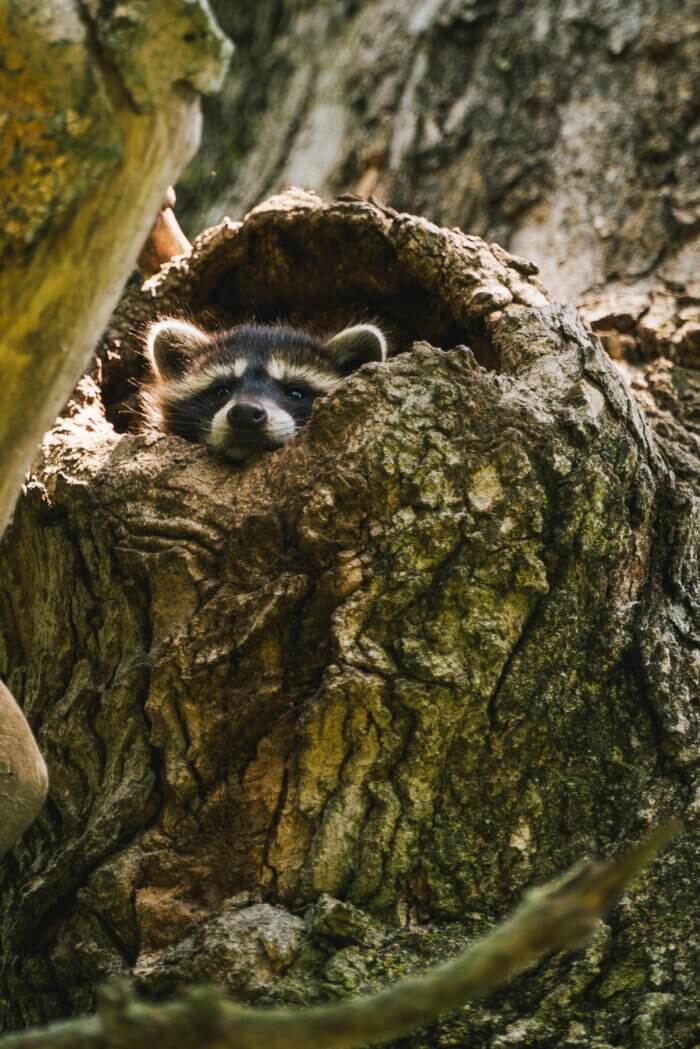
Larger animals such as squirrels and raccoons who find their way into attics are nearly always searching for a spot where their babies will be protected. Making the area less hospitable will encourage mothers to move their young. Plug in a bright light, play loud music or talk radio, and scatter rags or cotton balls soaked in ammonia or peppermint, and give the mom time to find new lodgings. Then check the space and seal off the entry points. Most animal removal services kill these sensitive individuals through cruel methods such as gassing, but for every perceived conflict with wildlife, there is a humane solution.
Offer Animals Water—Especially in Hard Seasons
In Mark 9:41, Jesus says, “Truly I tell you, anyone who gives you a cup of water in my name because you belong to the Messiah will certainly not lose their reward.” Extreme heat, drought, and cold take a profound toll on wildlife, and animals often suffer from dehydration more than hunger. Offering a clean water source, such as a birdbath, can help wildlife survive when resources are scarce. Have volunteers clean water containers daily and break up ice in the wintertime. Placing a few smooth stones inside allows animals such as frogs and butterflies to drink without drowning.
Create a Sanctuary That Reflects God’s Love
Church grounds can send a quiet message—one of mercy, stewardship, and respect for all life.
By protecting wildlife, your congregation lives out the truth that “the earth is the Lord’s, and everything in it” (Psalm 24:1). When we make space for animals, we honor the Creator—and show that His love extends to every living being.