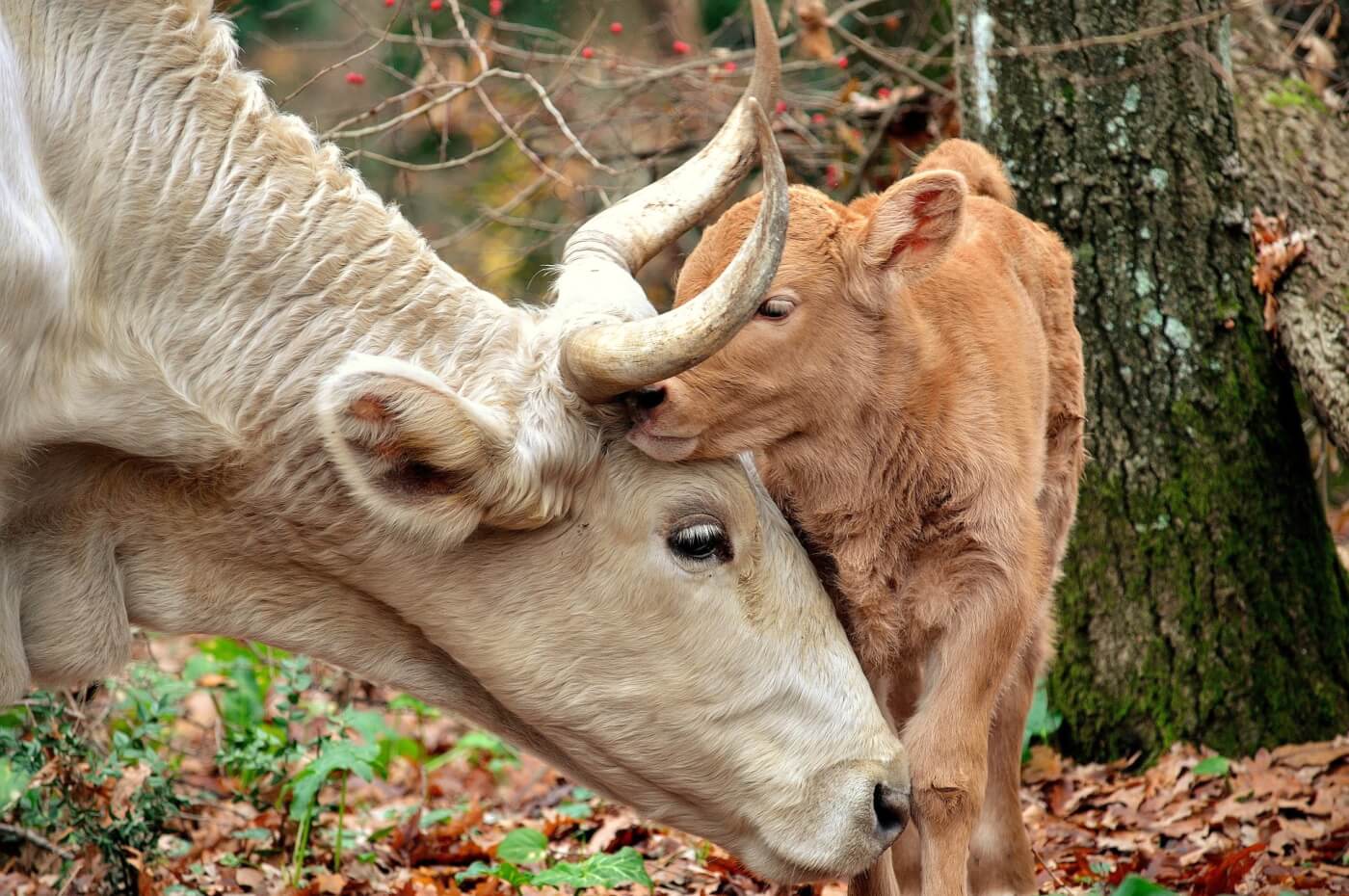
Children learn far more from what we do than from what we say.
We can teach kindness through words, lessons, and stories, but some of the most important values are learned through everyday experiences. When children see adults treating animals with respect and compassion, they receive a powerful message about how to relate to others.
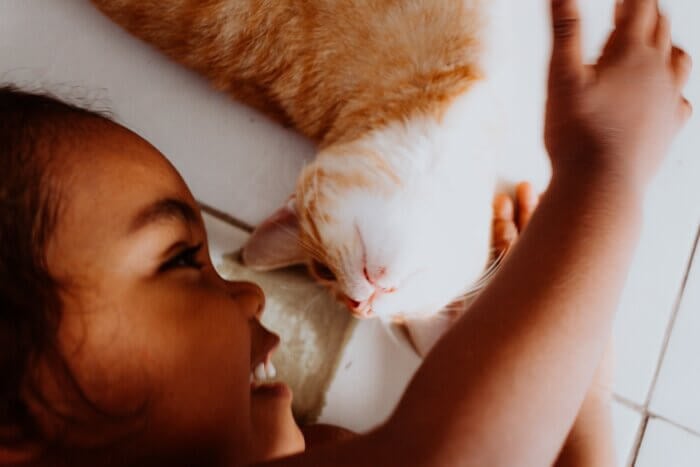
A child who watches someone gently move a spider outside instead of crushing it learns that even small lives matter. A child who helps rescue an injured bird or fill a birdbath during hot weather learns empathy in action. These moments may seem ordinary, but they help shape how young people understand mercy and responsibility.
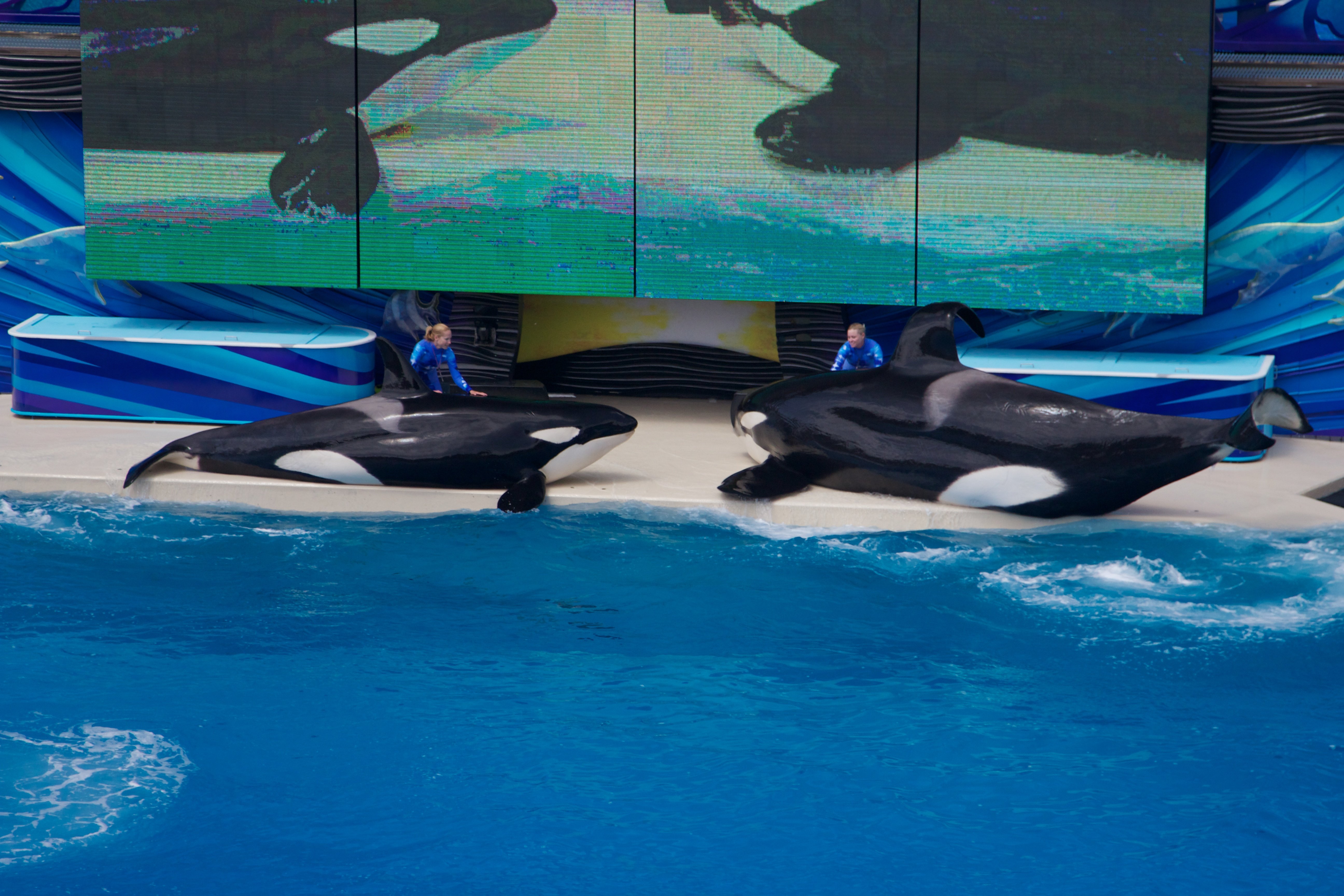
The opposite is also true. When animals are treated as objects, entertainment, or inconveniences, children absorb those lessons as well. They learn what society considers acceptable and what it overlooks.
Many faith traditions teach that kindness should not be limited by species. Compassion grows when we recognize that others have their own needs, fears, and desires. Animals provide one of the earliest opportunities for children to practice that understanding.
Showing kindness to animals does not require grand gestures. It can be as simple as choosing humane solutions when conflicts arise, speaking respectfully about animals, or sharing a delicious vegan meal. These everyday choices demonstrate that compassion is something we practice, not merely something we discuss.
Children may forget many of the lessons adults try to teach them. But they often remember examples of kindness. When we show care for animals, we help nurture empathy, gentleness, and respect for life itself—qualities that can guide children for years to come.