
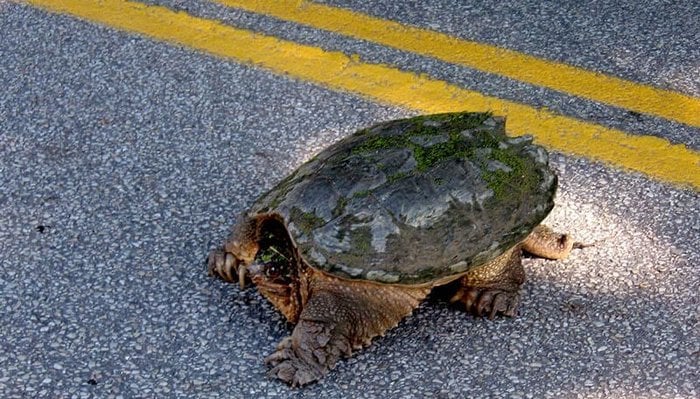
You’re driving home when you notice an injured turtle on the side of the road.
You have somewhere to be. You’re tired. Stopping will make you late. Yet a small voice inside urges you to pull over, move the turtle to safety, or call someone who can help.
Moments like these reveal something important about compassion: It is often inconvenient.
Most of us admire kindness. We appreciate stories about mercy, generosity, and selflessness. But genuine compassion rarely arrives when our schedules are clear and our energy is abundant. More often, it appears as an interruption—a chance to help when helping requires something from us.
It may be the thirsty bird visiting your yard during a heat wave. It may be a frightened dog wandering alone. It may be a deer who needs assistance after an encounter with a vehicle or a window. In each case, we face a choice: continue on our way or take a moment to help.
Many faith traditions teach that mercy is more than a feeling. It is something we do. Compassion calls us to notice those who are vulnerable and respond when we are able.
Animals are especially dependent on human kindness. They cannot explain their suffering or ask for help in words. Yet they experience fear, comfort, pain, and relief just as surely as we do.
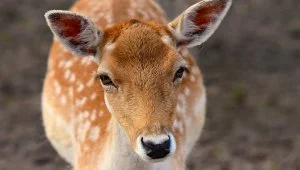
Fortunately, helping animals does not always require grand gestures. Providing water for wildlife during hot weather, contacting a licensed rehabilitator when an animal is injured, choosing humane solutions when conflicts arise, or sharing a delicious vegan meal are simple ways to put compassion into practice.
We may never know the full impact of these actions. A few minutes of inconvenience for us can mean safety, comfort, or even life itself for another living being.
Compassion is not valuable because it is easy. It is valuable because we choose it anyway. Every act of mercy—especially the inconvenient ones—helps make the world a little kinder for all God’s beings.