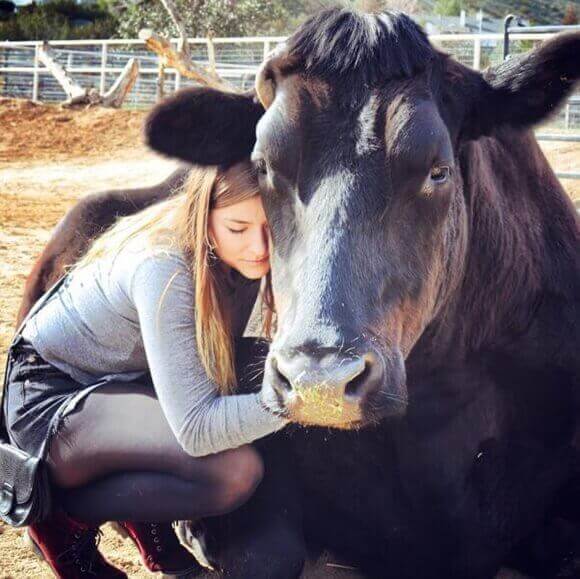

Years ago, a woman told us that caring for an elderly dog had changed the way she understood stewardship. As his eyesight faded and his steps became slower, he depended on her for nearly everything. Caring for him was not always easy, but she came to see those daily acts of patience as an expression of her faith. He reminded her that every living being is worthy of tenderness—and that compassion is something we practice, not simply something we believe.
That same understanding can shape the way we give.
When people hear the word philanthropy, they often think of major gifts, wealthy benefactors, or charitable foundations. Yet through a faith-based lens, philanthropy is something much deeper and more personal. At its heart, it is love put into action—the decision to use the resources God has entrusted to us in ways that honor Him and serve others.
For people of faith, giving is not primarily about money. It is about stewardship.
Scripture reminds us that everything we have ultimately belongs to God. As Psalm 24:1 tells us, “The earth is the Lord’s, and everything in it.” Our time, talents, possessions, and financial resources are gifts entrusted to our care for a season. We are not owners so much as caretakers. The question, then, is not how much we possess but what we choose to do with it.
This perspective changes the way we think about generosity. Giving is no longer about losing something. Instead, it becomes an opportunity to participate in God’s work of compassion and mercy in the world.
Our responsibility as caretakers does not end with humanity. It extends to the animals with whom we share God’s creation.
Animals are not merely resources for human use; they are living beings created by God and included within His care. Throughout Scripture, we see evidence of God’s concern for animals and His desire that they be treated with kindness and mercy. Proverbs 12:10 reminds us, “The righteous care for the needs of their animals.”
When we act to prevent suffering and promote kindness, we reflect the compassion that lies at the heart of our faith. That is why many of us support work to help animals. It is an extension of our commitment to kindness, stewardship, and respect for creation.
Philanthropy allows our values to become tangible.
Charitable giving transforms our convictions into action. Of course, many wonder whether their gift can truly make a difference. The needs of the world can seem overwhelming. Yet faith-based philanthropy has never been about solving every problem alone. It is about faithfully responding to the opportunities God places before us.
The widow who offered two small coins was praised not because of the size of her gift but because of the heart behind it. Likewise, philanthropy is not measured solely in dollars. It is measured in faithfulness, sacrifice, and love.

This perspective also helps us think differently about wealth itself.
No matter how much or how little we have accumulated, earthly possessions are temporary. Eventually, every account, investment, property, and material possession will pass to someone else. Faith invites us to ask a different question: What would I like my wealth to accomplish while I have stewardship of it?
When viewed this way, money becomes more than a tool for personal consumption. It becomes a means of advancing compassion, reflecting our values, and helping create the kind of world we hope to leave behind.
Stewardship can take many forms. Some people give regularly during their lifetime. Others contribute appreciated assets or include a charity in their estate plans. Whatever form it takes, a thoughtful gift can ensure that the compassion guiding your life continues to help animals well into the future.
Legacy giving is a particularly powerful opportunity to extend one’s faith and values beyond one’s lifetime. Through a charitable bequest, beneficiary designation, or other planned gift, your commitment to kindness can continue to protect animals and reduce suffering for generations to come.
As the faithful consider their legacy, an important question emerges: If caring for animals is part of your faith, how will that commitment carry forward beyond your lifetime?
That question is not meant to create pressure. Rather, it invites reflection.
The greatest acts of philanthropy are rarely motivated by obligation. They grow from gratitude. We give because we have received. We show mercy because mercy has been shown to us. We extend compassion because compassion is central to our faith.
When generosity flows from our identity and purpose, giving becomes joyful.
Through thoughtful stewardship, charitable giving allows us to transform temporary resources into lasting impact. It enables us to care for God’s creatures, reduce suffering, and leave behind a legacy that reflects our deepest beliefs.
In the end, philanthropy through a faith lens is not about wealth. It is about love expressed through faithful stewardship. It is about using the blessings we have received to honor God, care for His creation, and make compassion a lasting part of our legacy.
The animals who touch our lives often teach us profound lessons about trust, patience, vulnerability, and unconditional love. Through our giving, we can extend that circle of care to animals we may never meet. In doing so, we turn gratitude into action and leave behind something enduring: a legacy of mercy for every part of God’s creation.
Putting Faith into Action
Take time to prayerfully reflect on the values that matter most to you. If compassion for animals is part of your faith journey, consider how your charitable giving, assets, or estate plans can help create a kinder world for God’s creatures. Through thoughtful stewardship today, you can ensure that your commitment to mercy and compassion continues making a difference for years to come.