The word “stewardship” often comes up in conversations about faith and our relationship with the natural world. But what does it really mean to be a good steward of creation?
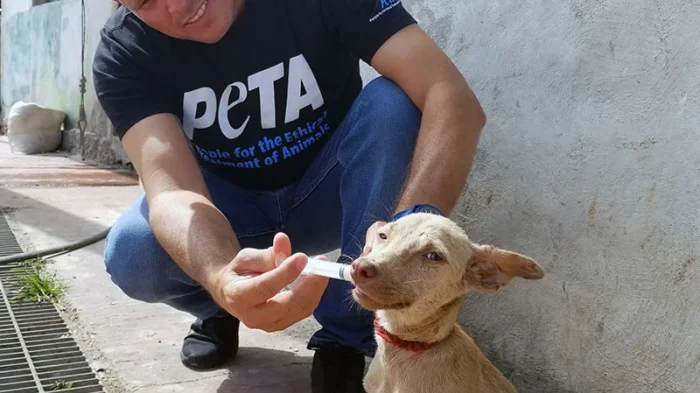
Stewardship isn’t ownership. It’s responsibility.
If we believe animals are part of God’s creation, then our responsibility toward them should be guided by compassion. Having power over another living being doesn’t give us permission to cause suffering. It gives us an opportunity—and an obligation—to show mercy.
Animals experience the world in their own ways. They seek comfort and safety, form relationships, protect their young, and try to avoid pain and danger. Recognizing these simple truths can change the way we think about our role in their lives.
Good stewardship might mean questioning a familiar tradition that harms animals. It might mean choosing a vegan meal, allowing wildlife to live undisturbed, or speaking up when an animal is suffering. These choices may seem small, but they reflect a larger understanding of what it means to care for creation.
We don’t need to dominate the vulnerable simply because we can. We can protect them.
Perhaps that is the heart of stewardship: not asking how much we are entitled to take from creation, but how much kindness we can give back.